
Tire Work That Accounts for All-Wheel Drive
Tire Service in Fort Collins for Subaru and Porsche owners who need mounting, balancing, and rotation
All-wheel drive Subarus wear tires unevenly if rotation is skipped, and that uneven wear affects how the drivetrain distributes power between the front and rear axles. Obsidian Performance in Fort Collins provides tire service for Subaru and Porsche vehicles, including mounting, balancing, and replacement, and the owner began his career as a tire technician in 2016 before moving into Subaru mainline work. That combination of tire-specific experience and drivetrain knowledge means the work is done with an understanding of how tire condition affects vehicle systems beyond just traction.
Tires are mounted and balanced on the vehicle's specified wheel and tire combination, and balance is checked after mounting. The technician confirms torque and tire pressure before the car leaves, because incorrect torque on lug nuts can cause warping or loosening, and tire pressure outside the specified range changes how the tire contacts the road and how the all-wheel drive system reads wheel speed differences.
Call the shop to schedule tire service and discuss your current tire condition.
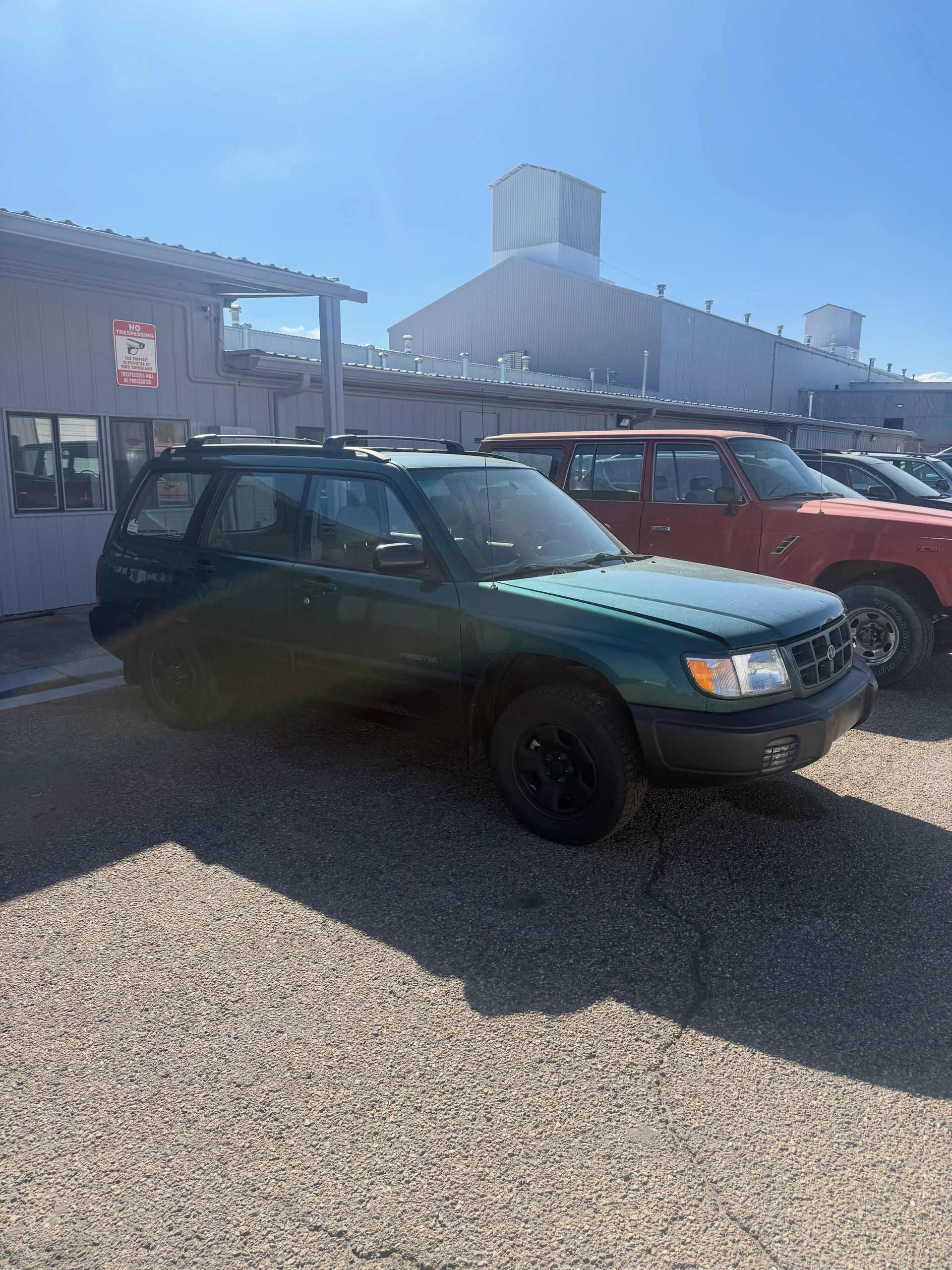
How Tire Balance and Rotation Affect All-Wheel Drive Systems
When tires are mounted, static and dynamic balance are checked using a balancing machine, and weights are added to the wheel to correct any imbalance. Imbalanced tires cause vibration, but in all-wheel drive vehicles they also create inconsistent rolling radius, which the drivetrain interprets as wheel slip. Over time, that can stress the center differential and lead to premature wear in the coupling or clutch packs that manage torque split.
After tires are balanced and installed, you notice smoother highway driving without steering wheel vibration, and the all-wheel drive system operates without false engagement caused by mismatched tire diameters. Rotation intervals are tracked so that tread depth stays consistent across all four corners, which keeps the effective diameter of each tire within the tolerance the drivetrain needs to function correctly. If one tire is significantly more worn than the others, it may need to be replaced even if tread depth is still above the legal limit, because the diameter mismatch can damage the transfer case or rear differential.
Tire service includes a visual inspection of tread wear patterns, which can reveal alignment issues, under-inflation, or suspension problems before they cause tire failure. If irregular wear is present, the technician will point it out and explain what might be causing it, so you can address the underlying issue rather than just replacing the tire and seeing the same wear develop again.
Common Questions About Tire Service for Performance Vehicles
Tire service involves more than swapping rubber, especially when working with all-wheel drive systems and performance-oriented vehicles.
What is checked during tire mounting to make sure the tire seats correctly on the wheel?
The bead is inspected for damage, and the wheel rim is cleaned of any old balancing weights or corrosion before the tire is mounted. The tire is inflated to the seating pressure specified by the manufacturer, which ensures the bead locks evenly into the rim channel, and then adjusted to the final operating pressure once the bead is confirmed seated.
How is balance verified after the tire is mounted?
The wheel and tire assembly is placed on a balancing machine that spins it and measures where weight is needed to correct imbalance. Weights are attached to the rim in the positions indicated by the machine, and the assembly is re-spun to confirm balance is within tolerance. Both static and dynamic balance are addressed, which corrects vibration at all speeds.
Why does tire rotation matter more for all-wheel drive Subarus driven around Fort Collins?
All-wheel drive systems measure the rotational speed of each wheel, and if one tire is smaller in diameter due to uneven wear, the system interprets that as slip and engages the center differential more often. That extra engagement creates heat and wear inside the drivetrain, and rotating tires regularly prevents the tread depth from diverging enough to cause that problem.
What happens if one tire is damaged and needs to be replaced on an all-wheel drive car?
If the remaining three tires have significant tread depth left, the new tire may need to be shaved to match their diameter, or all four tires may need to be replaced depending on how much wear is present. The shop will measure tread depth on all four corners and explain what the tolerance is for your specific Subaru model before recommending a solution.
How does the owner's background as a tire technician influence the work?
Starting as a tire technician means understanding how to read wear patterns, spot rim damage that affects sealing, and recognize when a tire has internal damage that is not visible from the outside. That experience carries into the work at Obsidian Performance, where tire service is done with attention to the details that affect safety and drivetrain longevity.
Obsidian Performance also handles tire service in Loveland, Windsor, Wellington, Timnath, and Greeley. Bring your Subaru or Porsche to the shop for mounting, balancing, and rotation by a technician who knows how tire condition affects all-wheel drive systems.