Setups Built for Street and Track Use
Performance Upgrades in Fort Collins for Subaru and Porsche owners who drive mountain roads and track days
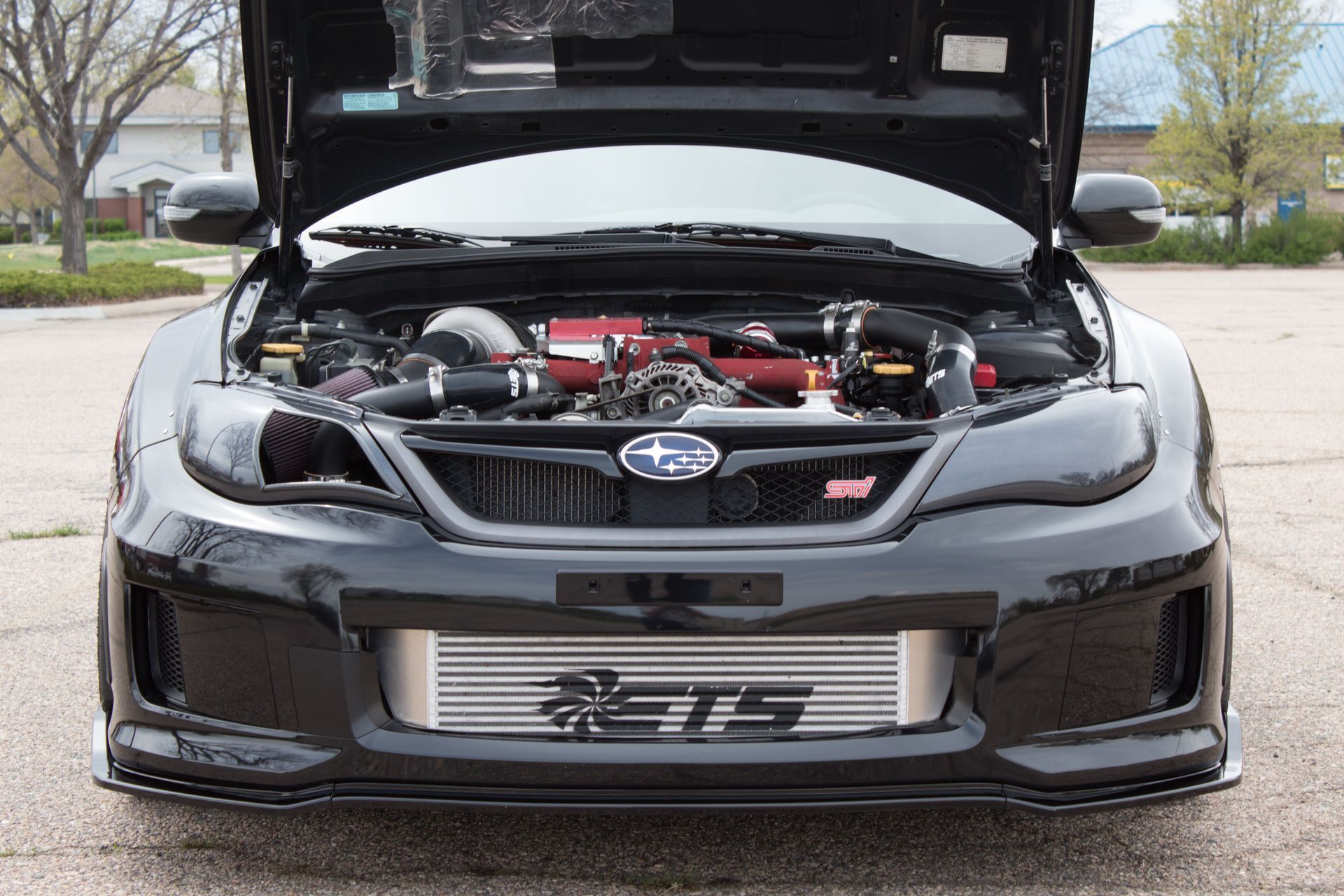
Obsidian Performance in Fort Collins builds performance setups for Subaru and Porsche vehicles, covering alignment, performance tuning, and aerodynamic systems. The shop is run by a former dealership master technician with multiple years of drag racing experience specifically with Subarus, so setup decisions come from someone who has tested configurations on track. You work with a technician who understands how suspension geometry, aero loading, and alignment settings interact when the car is pushed hard.
The process starts with a conversation about how you use the car—whether for street driving, mountain roads, or track days—and what you want the setup to accomplish. From there, the build is planned so alignment and any suspension or aerodynamic changes are sequenced and checked against each other before the car is returned. Each adjustment is validated in context rather than installed in isolation.
Schedule a consultation at the shop to discuss your current setup and driving goals.
What a Performance Setup Changes About How the Car Handles
Alignment settings determine how the tires contact the pavement under load, and when those settings are matched to suspension changes and any aero components, the car responds predictably through corners and during braking. Camber, caster, and toe are set based on whether the priority is daily driving stability or maximum grip during hard cornering. The setup is built around real use cases, not generic sport settings.
After the work is finished, you notice more consistent tire contact during cornering, sharper turn-in response, and better feedback through the steering wheel. The car tracks straighter under braking, and if aerodynamic components were added, high-speed stability improves because downforce is distributed where the suspension can use it. These changes are measurable in how the vehicle behaves when weight transfers during acceleration, braking, and direction changes.
The shop supports setups that have to hold up to both daily driving and hard use, which means suspension components are chosen for durability as well as performance, and alignment specs are set within ranges that do not cause excessive tire wear during normal street driving. If you plan to adjust the setup seasonally or between street and track configurations, that flexibility is built into the initial plan.
What Owners Ask About Performance Work
Performance upgrades are planned around how the vehicle is actually driven, and these questions cover the decisions that shape a reliable setup.
What happens during the initial consultation before any parts are ordered?
The technician asks how you use the car, what handling characteristics you want to change, and whether the setup needs to work for both street and track. That conversation determines which components are prioritized and how alignment will be set once everything is installed.
How are suspension and alignment changes sequenced so they work together?
Suspension components are installed first, then the alignment is set based on the new geometry and ride height. If aerodynamic parts are added, their effect on weight distribution is considered when final alignment specs are chosen, so each change supports the others rather than working against them.
What should you expect in terms of ride quality after a performance setup is completed?
Stiffer suspension components reduce body roll and improve response, but they also transmit more road texture into the cabin. The setup is tuned to balance performance with daily drivability, so you get sharper handling without making the car unusable on rough pavement or long highway drives.
How does the shop's drag racing experience with Subarus influence setup decisions?
Testing setups on track shows which changes actually improve traction and which ones just add cost. That experience informs decisions about suspension geometry, weight transfer management, and how alignment settings affect grip under acceleration and braking, especially in all-wheel drive cars where power delivery affects handling balance.
What is checked before the car is returned after a performance upgrade?
The alignment is verified with final measurements, all fasteners are torqued to specification, and the technician test-drives the car to confirm the handling changes match what was planned. You receive documentation of the alignment settings so future adjustments can reference the baseline.
Obsidian Performance also performs performance upgrades in Loveland, Windsor, Wellington, Timnath, and Greeley. Call the shop at 1925 South Timberline Road to book an appointment and discuss your build goals.