
Brake System Service Done to Specification
Brake System Service in Fort Collins for Subaru and Porsche vehicles driven hard or on mountain roads
Performance and mountain-driven vehicles put more heat into the brake system, which is why the hydraulic side deserves regular attention on the cars Obsidian Performance sees in Windsor and Wellington. The shop performs brake system service on Subaru and Porsche vehicles, replacing old fluid with the type each manufacturer specifies, and because the owner worked at both a Subaru mainline and a Porsche dealership, the correct fluid specification and bleed procedure are followed for each make. Brake fluid absorbs water from the air over time, and that moisture lowers the boiling point of the fluid, increasing the risk of brake fade during hard use.
Brake system service starts with the fluid. The old fluid is drawn from each caliper and the reservoir in sequence, the lines are refilled with the specified fluid, and the system is bled until clean fluid comes through at every corner. The pedal feel and any leaks are checked before the car goes back, so you know the hydraulic system is sealed and the fluid is fresh throughout.
Request a brake system service appointment if your vehicle is approaching the service interval or if you track the car.
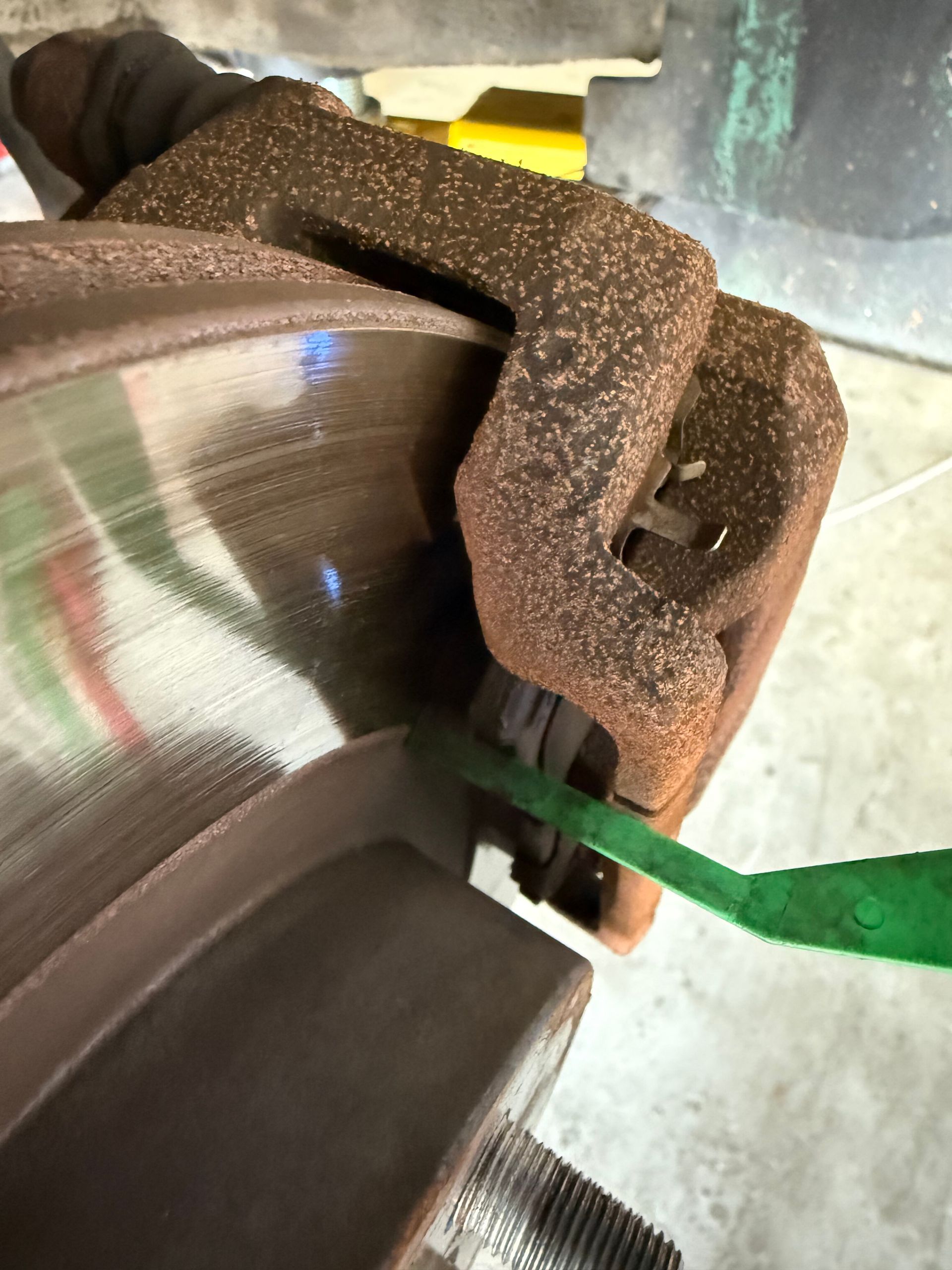
Why Fluid Type and Bleed Sequence Matter in Brake System Service
Subaru and Porsche vehicles specify different brake fluid formulations, typically DOT 3, DOT 4, or DOT 5.1, and using the wrong type can damage seals or reduce boiling point. The fluid specification is determined by the materials used in the calipers, master cylinder, and ABS module, and mixing incompatible fluids causes seal swelling or deterioration. The technician uses the fluid listed in the service manual for your specific model year, so it is compatible with every component in the hydraulic system.
When the service is complete, the brake pedal feels firm and consistent, and the fluid in the reservoir is clear rather than dark or discolored. Contaminated fluid no longer sits in the calipers, so the boiling point is back to the manufacturer's specification. If you drive mountain roads or take the car to track days, fresh fluid helps prevent the brake fade that happens when old, moisture-contaminated fluid boils under sustained heat.
The bleed sequence follows the order specified by the manufacturer, which is typically from the caliper farthest from the master cylinder to the closest. This sequence pushes air and old fluid out rather than drawing them further into the system, and it accounts for how the ABS module routes fluid to each wheel. If the sequence is done incorrectly, air can remain trapped in the system and cause a soft pedal even after the service is finished.
Questions About Brake System Service
Brake system service is maintenance, not repair, but understanding why it matters helps you plan service intervals correctly.
What determines when brake fluid should be replaced?
Most manufacturers specify a time interval, commonly every two to three years, regardless of mileage, because fluid absorbs moisture even when the car is not driven. If you drive hard or track the car, the interval may be shorter because heat accelerates fluid breakdown. The shop can test the moisture content of your current fluid to see if replacement is needed sooner.
How is old fluid drawn from the calipers without introducing air?
The technician opens the bleeder screw at each caliper with a bleeder wrench, and a vacuum pump or pressure bleeder pushes fresh fluid through the line while the old fluid drains into a catch bottle. The process continues until the fluid coming out is clean and free of discoloration.
Why does moisture in brake fluid cause problems during hard braking?
Water has a much lower boiling point than brake fluid, so repeated hard stops can turn moisture in the fluid to vapor. Vapor compresses, unlike liquid, so the pedal goes soft and sinks because you are compressing gas instead of transmitting hydraulic pressure. Fresh fluid restores full hydraulic function.
How does the technician confirm the brake system is fully bled?
The pedal is pumped several times with the engine off, then pressed and held while the technician checks for firmness. If the pedal sinks slowly, air is still in the lines and more bleeding is needed. Each bleeder screw and the brake lines are also checked for leaks, since even a small leak lets air back in.
What is checked after brake system service is finished?
The reservoir is topped off to the full mark and the cap is reinstalled, then the technician test-drives the car to confirm normal pedal feel and braking response. Spilled fluid is cleaned from the calipers and wheels, because brake fluid is corrosive to paint and can damage finishes.
Obsidian Performance also performs brake system service in Loveland, Windsor, Wellington, Timnath, and Greeley. Schedule service at the shop to have your brake fluid replaced with the correct specification for your Subaru or Porsche.